How Edge Computing Is Reshaping Real Time Data Processing
Introduction
Modern digital systems generate massive volumes of data every second. From smart factories and connected vehicles to healthcare monitoring devices and financial platforms, organizations increasingly depend on the ability to analyze information immediately after it is created. Traditional cloud computing alone cannot always meet the speed and responsiveness required for these environments. This is where edge computing is transforming how real time data processing works.
Edge computing moves data processing closer to where data is generated rather than relying entirely on centralized cloud infrastructure. By reducing latency and improving efficiency, this approach enables faster decisions, stronger security, and more reliable performance across industries. As digital ecosystems expand, edge computing is becoming a cornerstone technology supporting next generation applications.
What Is Edge Computing
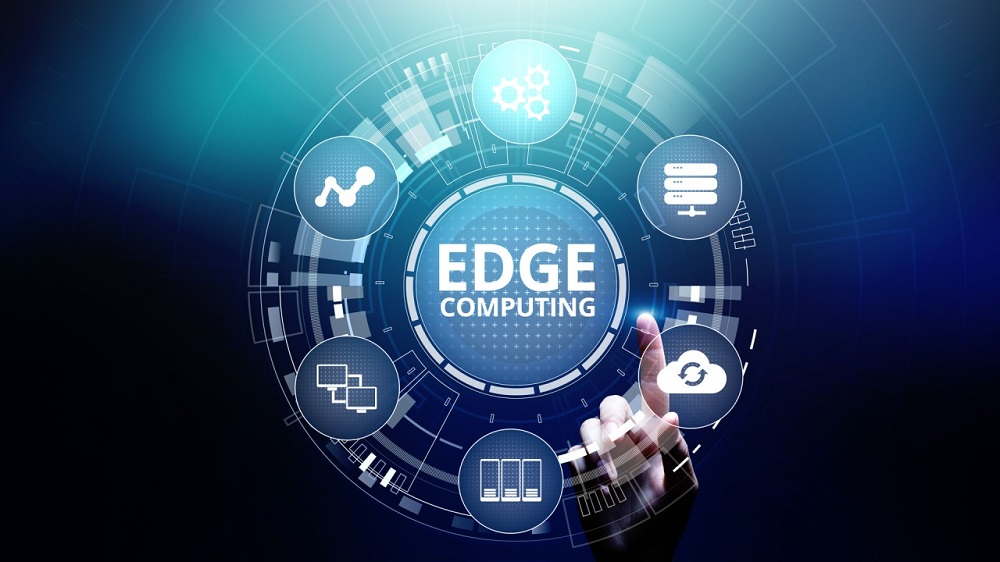
Edge computing refers to a distributed computing model that processes data near its source instead of sending all information to centralized data centers. Devices such as sensors, gateways, smartphones, industrial controllers, and local servers perform computing tasks at or near the network edge.
Traditional processing models rely heavily on remote cloud environments. While cloud computing remains essential, sending every data point to distant servers introduces delays that can affect performance in time sensitive applications.
Edge computing addresses this challenge by allowing systems to:
- Analyze information locally
- Respond instantly to changing conditions
- Reduce bandwidth usage
- Improve operational reliability
This shift creates a faster and more responsive data processing environment.
Why Real Time Data Processing Matters Today
Organizations increasingly rely on immediate insights rather than delayed analytics. Real time processing allows systems to react instantly to events as they occur instead of waiting for centralized analysis.
Examples of real time processing importance include:
- Detecting fraud during financial transactions
- Monitoring patient health conditions continuously
- Managing autonomous vehicle navigation decisions
- Controlling industrial robotics operations
- Optimizing smart traffic management systems
These use cases require ultra low latency and high reliability. Edge computing makes these capabilities possible at scale.
Limitations of Traditional Cloud Based Processing
Cloud computing remains powerful but introduces challenges when handling time critical workloads. Understanding these limitations helps explain why edge computing adoption is accelerating.
Latency Challenges
When devices send data to remote servers, transmission delays occur. Even small delays can affect applications requiring immediate responses.
Examples include:
- Industrial automation interruptions
- delayed emergency alerts
- slower augmented reality interactions
Edge computing minimizes these delays by processing information locally.
Bandwidth Constraints
High volume data streams from sensors and connected devices can overload network capacity. Constantly transferring data to centralized servers increases infrastructure costs and reduces efficiency.
Edge computing reduces bandwidth pressure by filtering and processing data closer to its source.
Reliability Concerns
Dependence on continuous internet connectivity creates risks. Network outages can interrupt access to cloud services.
Edge computing allows systems to continue functioning even when connections are unstable.
How Edge Computing Enables Faster Decision Making
Speed is the most important advantage edge computing provides for real time processing environments.
By analyzing data locally, organizations gain:
- immediate system responses
- reduced communication delays
- improved operational continuity
- enhanced user experiences
For example, autonomous vehicles cannot wait for remote cloud instructions before responding to road conditions. Edge computing allows onboard systems to process sensor data instantly and make safe driving decisions.
This shift from centralized processing to distributed intelligence is transforming how digital infrastructure operates.
Role of Edge Computing in Internet of Things Environments
The expansion of connected devices is one of the primary drivers behind edge computing adoption. Internet of Things ecosystems generate continuous streams of data that require immediate interpretation.
Edge computing supports IoT environments by:
- filtering unnecessary data before cloud transmission
- enabling faster device coordination
- reducing infrastructure costs
- improving device level security
Smart factories demonstrate this transformation clearly. Machines equipped with edge processing capabilities can detect operational issues instantly and adjust performance without waiting for remote analysis.
This creates more efficient and resilient production systems.
Edge Computing and Artificial Intelligence Integration
Artificial intelligence applications increasingly depend on real time data availability. Edge computing allows AI models to operate directly on devices instead of relying solely on centralized infrastructure.
Benefits of combining edge computing with artificial intelligence include:
- faster pattern recognition
- improved automation responsiveness
- reduced cloud dependency
- enhanced privacy protection
Examples include facial recognition systems, predictive maintenance tools, and voice controlled assistants that process commands locally rather than sending every request to remote servers.
This integration supports smarter and more responsive digital environments.
Industry Applications Transforming Through Edge Computing
Edge computing is reshaping operations across multiple sectors by improving speed and reliability.
Healthcare Systems
Healthcare environments require immediate responses to patient conditions. Edge computing enables wearable devices and monitoring systems to analyze health data instantly.
Applications include:
- real time heart rate monitoring
- emergency alert systems
- smart diagnostic imaging support
- hospital equipment performance tracking
Faster analysis improves patient safety and treatment effectiveness.
Manufacturing Operations
Industrial environments rely heavily on automation accuracy. Edge computing allows machines to respond immediately to performance changes.
Benefits include:
- predictive maintenance alerts
- production quality monitoring
- equipment failure prevention
- workflow optimization improvements
These capabilities reduce downtime and increase productivity.
Smart Cities Infrastructure
Urban infrastructure systems generate large volumes of data continuously. Edge computing enables cities to manage resources efficiently through immediate processing.
Examples include:
- intelligent traffic signal coordination
- energy usage monitoring systems
- public safety surveillance support
- environmental sensor networks
These technologies improve urban sustainability and operational efficiency.
Retail and Customer Experience Platforms
Retail businesses increasingly rely on personalized and responsive customer interactions. Edge computing helps analyze behavior data quickly.
Examples include:
- real time inventory tracking
- checkout automation systems
- in store customer engagement tools
- location aware promotions
These improvements strengthen customer satisfaction and operational performance.
Security Advantages of Edge Based Processing
Security remains a major concern for organizations handling sensitive data. Edge computing improves protection strategies by limiting unnecessary data transfers.
Key security benefits include:
- reduced exposure during data transmission
- localized encryption capabilities
- faster threat detection responses
- improved regulatory compliance support
Processing information closer to its origin helps organizations maintain tighter control over sensitive operations.
Cost Efficiency Benefits of Edge Computing Deployment
Edge computing reduces operational expenses by optimizing infrastructure usage. Instead of transmitting massive datasets continuously, organizations process essential information locally.
Cost saving advantages include:
- lower bandwidth usage
- reduced cloud storage requirements
- improved network performance
- optimized resource allocation
These efficiencies support scalable digital transformation strategies.
Challenges Organizations Face When Implementing Edge Computing
Despite its advantages, edge computing adoption introduces technical and operational challenges that organizations must address carefully.
Infrastructure Complexity
Deploying distributed computing systems requires careful planning and integration across multiple devices and locations.
Organizations must manage:
- device compatibility requirements
- software deployment coordination
- monitoring system performance
- maintaining consistent updates
Proper planning reduces deployment risks.
Data Management Consistency
Processing information across distributed environments increases complexity in maintaining accurate and synchronized datasets.
Organizations must ensure:
- consistent data policies
- reliable synchronization strategies
- effective monitoring tools
- standardized workflows
These measures support reliable system performance.
Skilled Workforce Requirements
Implementing edge computing environments requires specialized expertise in networking, security, and distributed system architecture.
Organizations often invest in training programs to prepare teams for these responsibilities.
Future Trends in Edge Enabled Real Time Processing
Edge computing continues evolving alongside advances in connectivity and intelligent automation technologies. Several developments are shaping its future role in digital infrastructure.
Important trends include:
- integration with advanced wireless networks supporting faster communication speeds
- expansion of intelligent edge devices capable of autonomous decision making
- increased adoption of distributed artificial intelligence models
- stronger privacy focused processing strategies
- improved interoperability between cloud and edge environments
These advancements will strengthen the role of edge computing as a foundation for next generation digital ecosystems.
Conclusion
Edge computing is transforming how organizations process real time data by bringing computing power closer to where information is generated. This shift reduces latency, improves reliability, strengthens security, and supports intelligent automation across industries. From healthcare and manufacturing to smart cities and retail platforms, edge computing enables faster decisions and more responsive systems.
As connected devices continue expanding worldwide, real time processing demands will increase further. Organizations that adopt edge computing strategies today position themselves to lead in performance, innovation, and operational efficiency in the evolving digital landscape.
FAQ Section
How does edge computing differ from fog computing
Fog computing distributes processing between cloud systems and edge devices, while edge computing focuses primarily on processing data directly at or near the source.
Can edge computing replace cloud computing entirely
Edge computing complements cloud infrastructure rather than replacing it. Both technologies work together to create balanced processing environments.
What types of devices typically support edge computing
Common edge computing devices include sensors, gateways, industrial controllers, smartphones, routers, and embedded computing systems.
Is edge computing suitable for small businesses
Yes. Small businesses can benefit from improved application performance, faster analytics responses, and reduced network dependency through edge computing adoption.
How does edge computing support autonomous transportation systems
Edge computing allows vehicles to process environmental data locally, enabling immediate navigation decisions without relying on remote servers.
What industries are expected to adopt edge computing most rapidly
Manufacturing, healthcare, transportation, telecommunications, and smart infrastructure sectors are among the fastest adopters.
Does edge computing improve data privacy compliance
Yes. Processing sensitive information closer to its source reduces exposure risks and supports compliance with regional data protection regulations.