How Safety Checks and Equipment Standards Shape Trust in Aerial Yoga Classes
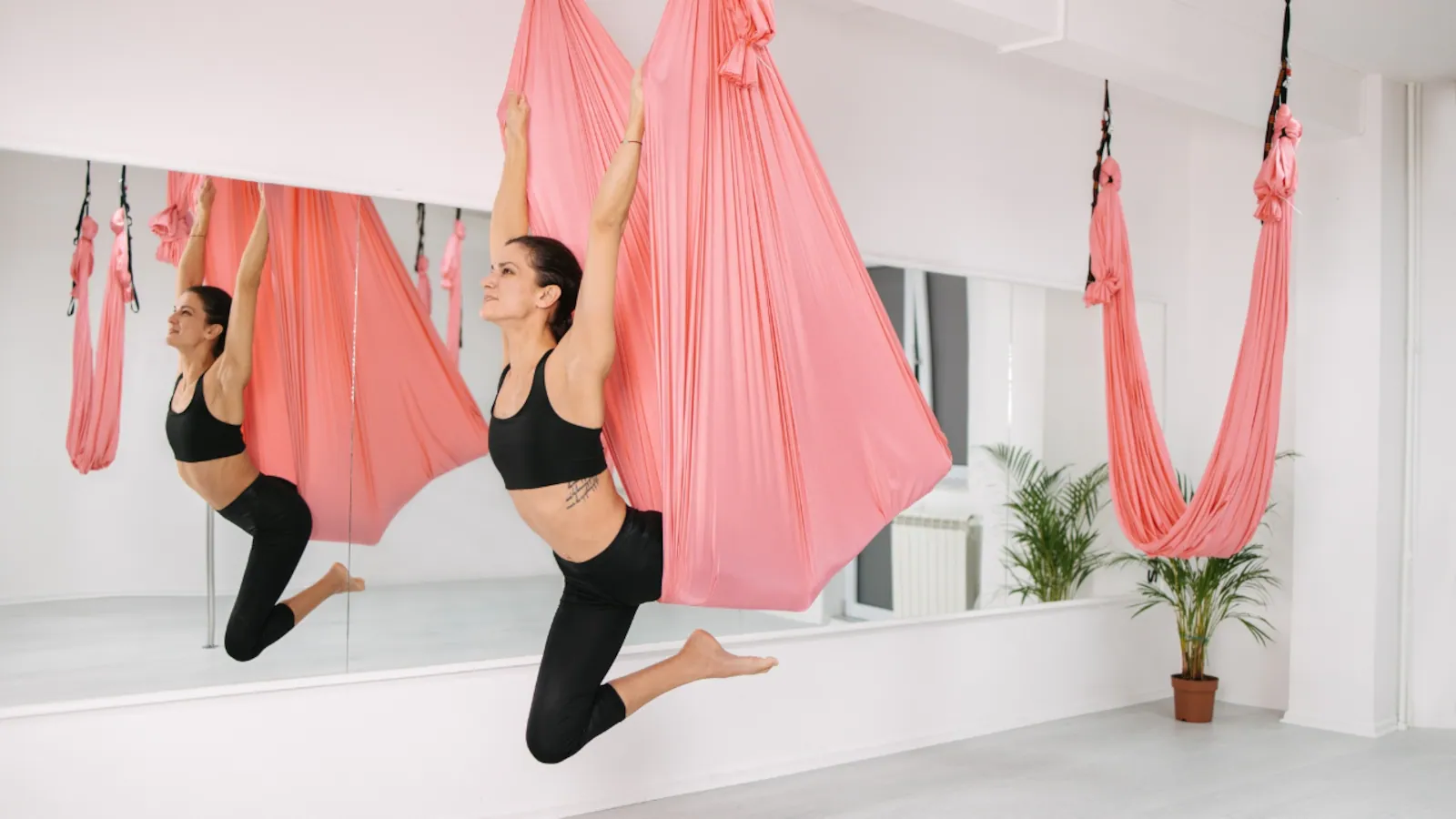
How Studio Technology Improves Safety, Booking, and Class Management for Aerial Yoga The growing interest in aerial yoga also brings a stronger need for smart studio systems. Because aerial classes involve equipment, limited class capacity and specific safety requirements, technology can help studios manage bookings, attendance, equipment checks and client communication more efficiently. Technology should not replace the human guidance that aerial yoga requires. Instead, it should support the class experience behind the scenes. Good systems help students book confidently, arrive prepared and practise in a well-managed environment.
Why aerial yoga needs careful class management
Aerial yoga is different from standard mat-based classes because it requires hammocks, rigging points, spacing and clear setup. Class capacity must be managed carefully so every student has enough room and equipment. Overcrowding can reduce comfort and safety. Digital class management helps studios avoid these issues. Booking systems can limit class size, manage waitlists and track attendance. This creates a smoother experience for both students and staff.
Booking systems and student confidence
A clear booking system is especially important for specialised classes. Students may want to know whether they need previous experience, what to wear, when to arrive and how the class works. Digital booking pages can provide these details before the student confirms. This reduces uncertainty. People are more likely to try aerial yoga when they understand what to expect. A well-designed booking flow can therefore improve conversion as well as safety.
Managing class capacity with technology
Capacity control is one of the most practical uses of technology. Aerial classes cannot always accommodate the same number of students as general floor-based sessions. Each hammock requires space, and students need enough room to move safely. Booking software can prevent overbooking and manage cancellations. Waitlists can automatically offer spots when someone cancels. This helps studios maximise attendance without compromising class quality.
Digital tools that support aerial yoga operations
Useful systems may include:
- Online booking and waitlists
- Capacity limits by class type
- Automated class preparation emails
- Attendance tracking
- Equipment maintenance logs
- Instructor scheduling tools
- Client notes for experience level or concerns
These tools help the studio operate more professionally.
Equipment maintenance records
Aerial yoga equipment must be cared for properly. Hammocks, fixtures and related setup need regular checks. Digital maintenance logs can help studios track inspection dates, replacements and cleaning schedules. This is not only operationally useful. It also supports client trust. A studio that manages equipment carefully demonstrates professionalism. Safety becomes part of the brand experience.
Digital preparation emails
Students new to aerial yoga may feel unsure about what to expect. Automated preparation emails can help. These messages may explain what to wear, when to arrive, what not to eat immediately before class and how to approach the session. Good communication reduces anxiety and improves the class experience. Students arrive more prepared, which allows the teacher to focus on practice rather than answering basic logistical questions repeatedly.
Attendance data and class planning
Attendance data can help studios understand demand. If aerial classes fill quickly, the studio may consider adding more sessions. If certain times perform better, scheduling can be adjusted. If new students attend once but do not return, the studio may review onboarding and class experience. Data helps studios improve based on real behaviour rather than assumptions.
The role of instructor notes
Some systems allow instructors to keep basic class notes or client preferences. For aerial yoga, this may be useful if students mention fear of inversions, previous discomfort or experience level. These notes should be handled respectfully and privately. When used well, instructor notes can support a more personalised and safer experience. They remind teachers that each student has different needs.
Avoiding technology overload
While technology is useful, aerial yoga should not feel mechanical. Students still need personal attention, calm instruction and human reassurance. Too much automation can make the experience feel cold. The best technology stays mostly invisible. It makes the class smoother without taking attention away from movement and breath.
A professional studio experience
A studio such as Yoga Edition can benefit from combining a refined practice environment with efficient digital systems. For specialised formats like aerial yoga, operational precision supports the premium feel of the class. When booking, communication, safety and class management are handled well, students can focus more fully on the practice itself.
Technology that supports trust
Studio technology improves aerial yoga by making the experience safer, clearer and easier to manage. It supports capacity control, equipment care, student preparation and scheduling. These systems help protect the quality of a specialised class. Aerial yoga depends on trust. Students trust the equipment, the teacher and the studio. Good technology strengthens that trust by ensuring the details behind the experience are organised, consistent and professional.