The Importance of 24/7 IT Monitoring for Modern Business Operations
Modern organizations rely on technology to keep operations running smoothly. With digital infrastructure underpinning everything from communication to customer service, continuous oversight has become essential. Around-the-clock IT monitoring ensures systems stay secure, available, and high-performing—no matter the time of day.
With it support in birmingham, companies benefit from proactive monitoring that identifies issues before they disrupt operations. Regular system checks, data backups, and security updates ensure stability, reduce risks, and create a reliable IT environment that supports long-term business success.
Why 24/7 IT Monitoring Matters
1. Preventing Costly Downtime
Unplanned outages interrupt productivity, stall revenue, and damage a company’s reputation. Continuous monitoring helps detect anomalies before they escalate. Early alerts allow IT teams to intervene quickly, reducing downtime and keeping critical services online.
2. Strengthening Cybersecurity Defenses
Cyber threats don’t operate on a schedule. Attackers often strike during off-hours when fewer personnel are available. With 24/7 monitoring in place, organizations gain:
-
Immediate detection of suspicious network activity
-
Rapid response to potential breaches
-
Enhanced visibility into system vulnerabilities
This proactive security posture significantly reduces the risk of data loss or operational disruption.
3. Improving System Performance
Continuous tracking of resource usage—such as CPU, memory, and storage—helps maintain optimal performance. Monitoring tools can identify bottlenecks, slowdowns, or capacity issues, empowering IT teams to fine-tune their infrastructure for better efficiency.
4. Ensuring Compliance and Audit Readiness
Industries governed by strict regulations must maintain detailed logs and demonstrate system oversight. With round-the-clock monitoring, businesses can:
-
Maintain accurate audit trails
-
Demonstrate compliance with regulatory requirements
-
Avoid costly penalties
5. Enhancing User Experience
Reliable systems directly contribute to a positive user experience. Whether serving internal teams or external customers, continuous monitoring ensures:
-
Faster issue resolution
-
More consistent system availability
-
Fewer interruptions to workflows
6. Supporting Business Continuity
Disasters—natural or otherwise—can strike at any moment. Continuous monitoring plays a pivotal role in business continuity planning by ensuring:
-
Real-time visibility into system health
-
Immediate alerts during unexpected failures
-
Faster recovery and minimal disruption
Key Components of Effective 24/7 IT Monitoring
Real-Time Alerts
Timely notifications ensure that IT staff can respond to incidents right away, regardless of when they occur.
Automated Remediation
Advanced monitoring platforms can automatically correct certain issues, reducing manual intervention and speeding up resolution.
Comprehensive Dashboards
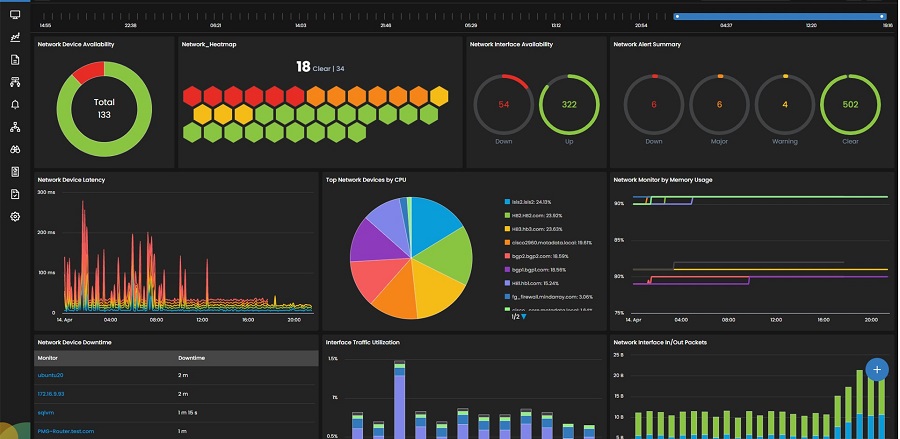
Centralized dashboards provide clear insights into system status, making it easier to analyze trends, identify risks, and make informed decisions.
Scalable Architecture
As a business grows, so does its technology footprint. Scalable monitoring solutions adapt seamlessly, ensuring full visibility across expanding infrastructures.
Benefits for Organizations of All Sizes
-
Small Businesses: Gain enterprise-level protection without requiring large in-house teams.
-
Mid-Sized Organizations: Improve operational efficiency and reduce IT overwhelm.
-
Large Enterprises: Manage complex ecosystems with real-time oversight and automated workflows.
Regardless of size, 24/7 monitoring provides peace of mind and a significant competitive advantage.
FAQ
1. How does 24/7 IT monitoring differ from traditional monitoring?
Traditional monitoring may occur only during business hours, leaving gaps in system oversight. Continuous monitoring operates around the clock to catch issues immediately.
2. Does 24/7 monitoring require an in-house IT team?
Not always. Many organizations outsource continuous monitoring to specialized managed service providers.
3. What types of systems can be monitored?
Servers, networks, cloud environments, applications, databases, and cybersecurity tools can all be included.
4. Can continuous monitoring reduce IT operational costs?
Yes. By preventing major incidents and optimizing system performance, monitoring often lowers overall maintenance expenses.
5. Is 24/7 monitoring necessary for cloud-based systems?
Absolutely. Cloud environments are dynamic and require constant visibility to maintain performance and security.
6. What happens when an issue is detected after hours?
Depending on the setup, alerts may trigger automatic remediation or notify on-call technicians for immediate action.
7. How quickly can businesses implement 24/7 monitoring?
Implementation time varies by infrastructure complexity, but many solutions can be deployed and configured within days.